
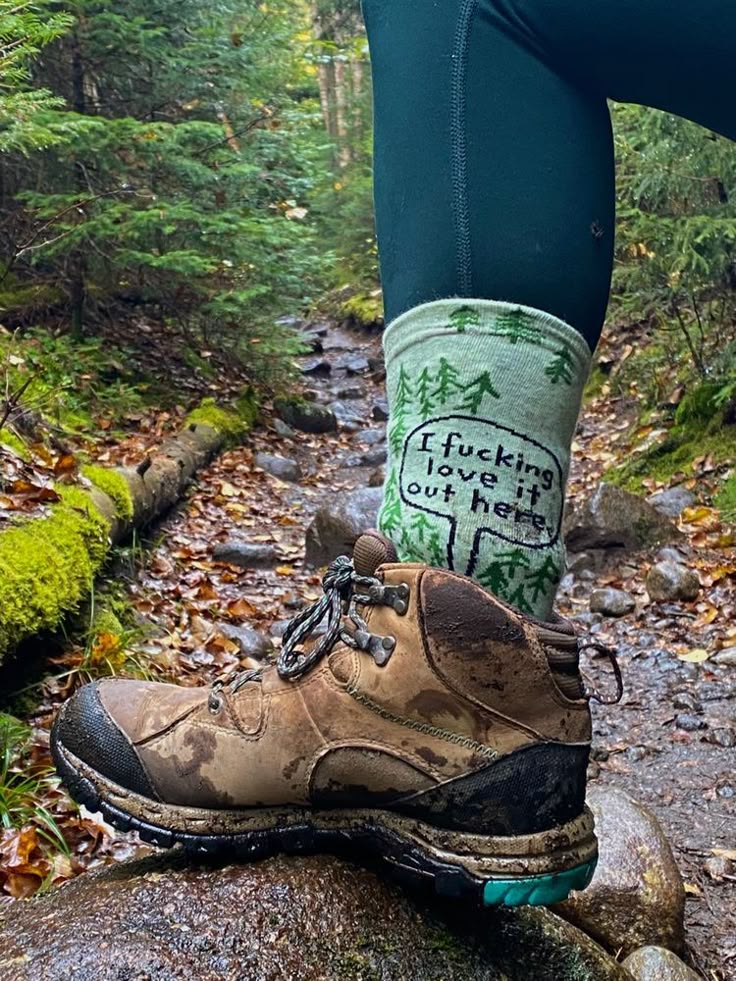
Hiking is an incredible way to connect with nature, clear your mind, and challenge yourself physically. Whether you’re a beginner or an experienced trekker, being well-prepared is essential to ensure a safe and enjoyable adventure. As a woman, there are specific considerations to keep in mind when gearing up for the trail. In this guide, we’ll cover the hiking essentials you need to feel confident, comfortable, and ready for any adventure.
1. Clothing & Footwear
Layering System:
Dressing in layers allows you to regulate your body temperature and stay comfortable in various weather conditions.
- Base Layer: Moisture-wicking fabrics like merino wool or synthetic materials help keep sweat away from your skin.
- Mid Layer: Insulating layers such as fleece or down jackets provide warmth.
- Outer Layer: A waterproof and windproof shell protects against the elements.
Hiking Boots or Shoes:
Invest in high-quality hiking boots or trail shoes that provide good ankle support, grip, and comfort. Break them in before a big hike to avoid blisters.
Hiking Socks:
Wool or synthetic hiking socks help prevent blisters and keep your feet dry.
Additional Clothing:
- A hat for sun protection or warmth in cold weather.
- Gloves for cooler conditions.
- Gaiters (optional) to keep debris and moisture out of your boots.
2. Backpack & Gear
Backpack:
Choose a backpack with a comfortable fit and sufficient capacity (15-30L for day hikes, 40L+ for multi-day hikes). Look for padded straps and a waist belt for support.
Navigation Tools:
- A physical map and compass (don’t rely solely on your phone’s GPS).
- A GPS device or app like AllTrails or Gaia GPS for extra navigation support.
Hydration System:
- A hydration bladder or water bottles (at least 2L for a day hike).
- A water filtration system (e.g., LifeStraw or Sawyer filter) for longer hikes.
Snacks & Nutrition:
- High-energy snacks like trail mix, granola bars, nuts, and dried fruit.
- Lightweight, nutrient-dense meals for extended trips.
Trekking Poles:
These help with stability, especially on uneven terrain or when carrying a heavy pack.
3. Safety & Emergency Essentials
First Aid Kit:
Include basics like bandages, blister treatment, antiseptic wipes, pain relievers, and any personal medications.
Emergency Items:
- A whistle to signal for help.
- A lightweight emergency bivy or space blanket.
- A multi-tool or knife for various tasks.
- Headlamp with extra batteries.
Sun & Insect Protection:
- Sunscreen with SPF 30+.
- Sunglasses with UV protection.
- Bug spray or bug-repellent clothing.
4. Personal Hygiene & Female-Specific Essentials
Bathroom Essentials:
- A trowel for digging a cat hole if nature calls.
- Biodegradable toilet paper or wipes.
- A reusable pee cloth (like a Kula Cloth) for easy hygiene.
- A sealable bag to pack out used hygiene products.
Period Preparedness:
- Menstrual cup, tampons, or pads (pack out waste if necessary).
- Extra ziplock bags for discreet disposal.
- Period-friendly underwear or reusable options.
Other Personal Items:
- Hair ties or a headband to keep hair out of your face.
- Lip balm with SPF.
- Lightweight mirror (handy for contact lens wearers).
5. Mindset & Preparation
- Check the Weather: Always look at the forecast before heading out and adjust your gear accordingly.
- Tell Someone Your Plans: Share your itinerary with a friend or family member.
- Know Your Limits: Choose a trail suited to your fitness level and experience.
- Practice Leave No Trace: Respect nature by minimizing your impact—pack out all trash and stay on designated trails.
Being prepared makes all the difference between an enjoyable hike and a stressful one. With the right gear and mindset, you can confidently embrace the beauty of the outdoors. Whether you’re going for a short nature walk or tackling a challenging backcountry trail, these essentials will keep you safe, comfortable, and ready for your next adventure.
What are your must-have hiking essentials? Share your favorite gear in the comments below!
 Mama Wanderlusts
Leave a comment